
Providing Pest Control Services For Over 90 Years
The natural creatures of Massachusetts enhance the natural world and boost our understanding of it. However, some of those creatures are hornets, bees, and wasps. These insects have a profoundly annoying habit of making their nests along the eaves and outside walls of homes. If you have noticed a hive around your home, don’t stress about getting stung, which can swell and cause hives, contact the pest control experts at Safety Fumigant Company. We have been serving the area with quality service for over 90 years! So you can trust that we know how to safely and thoroughly remove any stinging insects in your home.
Safety Fumigant Company Offers A Range Of Treatment Plans:
- One-time pest control treatment to remove a stinging insect infestation.
- Monthly/quarterly preventative treatments to ensure that insects don’t return.
- Residential and commercial pest control to keep any space free of unwanted pests.
- Customizable options that will give you exactly what you need, when you need, and at an affordable cost.
Bees, Wasps, and Hornets
The good news is, Massachusetts is home to a deep and rich variety of creatures. These creatures enhance the natural world and boost our understanding of it. The bad news? Some of those creatures are hornets, bees, and wasps. These insects have a profoundly annoying habit of making their nests along the eaves and outside walls of homes. Even worse is their sting, which can really hurt, cause swelling and hives, and even anaphylactic shock in serious cases.
We know, bees are responsible for more than 80% of the pollination of plants, while wasps and hornets operate as predators for nuisance bugs like flies and crickets. It would be so much better if they would just do all of that somewhere else, and at Safety Fumigant Company, our job is to help them relocate and not come back. We’ve served residential and commercial clients as bug exterminators throughout Hingham and the surrounding areas since 1925, and we put more than 130 years of combined experience to work for each and every one of our clients when they need hornet and wasp exterminators.
When we arrive, we’ll inspect your property and prevent these stinging insects from becoming unwelcome guests. Contact us online or by phone today to schedule service.
The Dangers of a Bee, Wasp, or Hornet Infestation
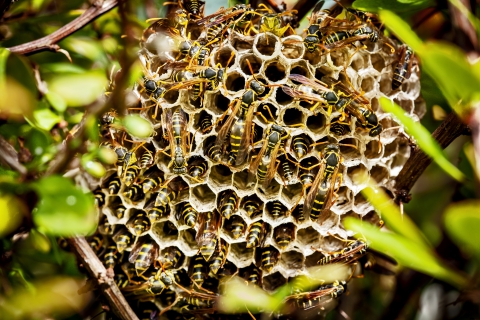
Bees, wasps, and hornets can be dangerous pests to have around your home. If you're dealing with an infestation, it's important to take steps to remove the nest and get rid of the insects. Wasp nest removal and pest control are important steps in getting rid of these dangerous pests. Bee stings can be painful, and in some cases, they can be deadly. Wasps and hornets are also capable of stinging humans. These stings can cause swelling, itching, and pain. In some cases, they can also lead to anaphylactic shock, which can be fatal.
If you're dealing with a bee, wasp, or hornet infestation, it's important to call a pest control company like Safety Fumigant. We will be able to remove the nest and get rid of the insects. Bee control is an important step in keeping your home safe from these dangerous pests, and wasp nest removal is also a vital part of getting rid of these insects.
Bees, Wasps, & Hornets: What's the Difference?
Bees, wasps, and hornets are all insects that can sting humans. But what's the difference between these three pests?
Bees are flying insects that are known for their role in pollination. They're usually black and yellow, and they have a stinger. Wasps are also flying insects, but they're not as beneficial as bees. They're usually black and yellow, and they also have a stinger. Hornets are wasps that are larger in size. They're also more aggressive than wasps, and their sting can be more painful.
All three of these pests can be dangerous, but hornets are the most dangerous. If you're dealing with a hornet infestation, it's important to call a pest control company like Safety Fumigant. We have the experience and expertise to safely remove the nest and get rid of the insects.
How to Prevent Bee, Wasp, & Hornet Infestations
There are a few things you can do to prevent bee, wasp, and hornet infestations:
- Keep your yard clean and free of debris
- Trim trees and bushes regularly
- Seal cracks and openings in your home
- Use wasp traps
If you follow these tips, you can help prevent bee, wasp, and hornet infestations. But if you're already dealing with an infestation, call our team right away.
Types of Bees
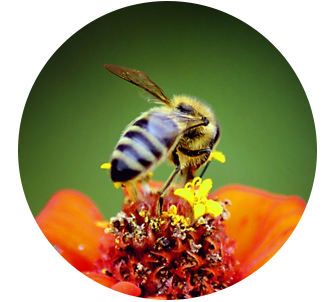
Bees are the most recognized type of stinging insect, but did you know that there are a few different types of bees? The most common type of bee is the honey bee. Honey bees are known for their role in pollination, and they're usually not aggressive. However, Africanized honey bees, also known as "killer bees," are more aggressive. Here are some of the different types of bees that may pose a threat to you and your home:
Bumblebees
Bumblebees are large, hairy bees that are usually black and yellow. They're not as aggressive as other types of bees, but their sting can be painful.
Honey Bees
Honeybees are the most common type of bee, and they're usually not aggressive. However, Africanized honey bees, also known as "killer bees," can be more aggressive.
Carpenter Bees
Carpenter bees are large bees that look similar to bumblebees. They're black with a shiny abdomen, and they have a stinger.
How to Avoid Getting Stung by a Bee
Bees are unlikely to sting unless they feel threatened or scared, such as when their hive is agitated or disturbed. Bees, however, may still be attracted to you for various reasons. Here are a few ways you can avoid getting stung while you wait for Safety Fumigant to provide bee control services:
- Avoid sweet fragrances: Bees are attracted to sweet smells, so avoid wearing perfumes or colognes.
- Wear light-colored clothing: Bees are more likely to mistake dark colors for flowers.
- Don't swat at bees: Swatting at a bee will only make it angry and more likely to sting you.
- Keep food covered: Bees are attracted to food, so be sure to keep all food covered.
- Wear shoes in the grass: Some bees make nests in the grass or fly through the grass while pollinating. Always wear shoes to avoid stepping on any bees or their nests.
- Wear long pants and long sleeves: Bees are more likely to sting you if they can reach your skin. Wearing long pants and long sleeves will help protect you from bee stings.
Types of Wasps
Wasps are flying insects that are related to bees and ants. They're usually black and yellow, and they have a stinger. Wasps are more aggressive than bees, and their sting can be more painful. There are a few different types of wasps:
Paper Wasps
Paper wasps are the most common type of wasp. They're black and yellow, and they build their nests out of paper.
Yellowjackets
Yellowjackets are wasps that are smaller in size. They're also more aggressive than wasps, and their sting can be more painful.
Mud Dauber Wasp
Mud daubers wasps are wasps that build their nests out of mud. They're not as aggressive as other wasps, but their sting can still be painful.
Bald-Faced Hornet
Bald-faced hornets are wasps that are black with a white face. They're the most aggressive type of wasp, and their sting can be very painful.
European Hornet
European hornets are wasps that are brown with yellow stripes. They're not as aggressive as bald-faced hornets, but their sting can still be painful.
Why Does a Wasp Sting Hurt More Than a Bee Sting?
The pain you feel from a wasp sting is caused by the venom that's injected into your skin. The venom contains chemicals that can cause swelling, redness, and itching. Bee stings also contain venom, but it's not as potent as wasp venom. That's why wasp stings tend to be more painful than bee stings. Unlike bees, wasps can also sting more than once. In fact, a wasp that has stung you is likely to sting again if it is agitated. If you've been stung by a wasp, it's important to seek medical attention right away, especially if you're having an allergic reaction.
DIY Stinging Insect Nest Removal Tips
While having a professional remove any stinging insect nests on your property is the safest way to go, there are some DIY methods you can try if you're feeling brave. Just remember to take all the necessary precautions to avoid getting stung!
Wasp Nest & Bee Removal
If you see a wasp nest on your property, there are a few things you can do to remove it yourself:
- Wait until nightfall: Wasps are less active at night, so this is the best time to attempt wasp nest removal.
- Wear long pants and a long-sleeved shirt: As mentioned before, wasps are more likely to sting you if they can reach your skin. Wearing long pants and a long-sleeved shirt will help protect you from wasp stings.
- Light a smoke bomb: Smoke bombs are available at most hardware stores. Lighting one near the wasp nest will kill the wasps and cause them to vacate the nest.
- Spray the nest with wasp killer: You can find wasp killers at most hardware stores. Be sure to follow the instructions on the label.
- Remove the nest: Once the wasps are gone, you can remove the nest. Be sure to wear gloves and a mask to protect yourself from any residual chemicals.
How To Get Rid of Bee or Wasp Sting Pain
There are a few things you can do to ease the pain of a bee or wasp sting:
- Apply ice: Applying ice to the affected area will help reduce swelling and pain.
- Take an antihistamine: If you're having an allergic reaction, take an antihistamine as soon as possible. This will help reduce your symptoms.
- Apply a topical cream: Applying a topical cream or ointment will help soothe the pain and itching.
- See a doctor: If you're having a severe allergic reaction, see a doctor immediately.
When it comes to wasps, bees, and hornets, it's always best to err on the side of caution. If you see a nest on your property, it's best to call a professional for removal. And if you're ever stung by one of these insects, be sure to seek medical attention right away.
Important Things to Remember About Bees, Wasps, & Hornets
- Bees, wasps, and hornets are all stinging insects.
- Bees and wasps can both sting you, but wasp stings tend to be more painful.
- Hornets are the most aggressive type of wasp and their sting can be very painful.
- If you're ever stung by a bee or wasp, be sure to seek medical attention right away.
- If you see a nest on your property, it's best to call a professional for removal.
Call Safety Fumigant For Help With Your Bee, Wasp, or Hornet Problem!
No matter what type of problem you're having with bees, wasps, or hornets, Safety Fumigant can help. We serve residents of Hingham and the surrounding areas, and we’re proud to be your local experts in wasp nest removal and bee control. We'll work quickly and efficiently to get rid of your problem, so you can rest easy knowing your home or business is safe from these stinging insects. Contact us today to learn more about our services!